

The program is open to the public, free of charge, and suitable for all ages.
Museu Vale is holding the 8th edition of Encounters with Contemporary Art, as part of the national program of the 19th Spring of Museums, which this year has the theme Museums and Climate Change. The event discusses Body-Territory: creative acts of resistance and reinvention, proposing reflections on art and the humanities as agents of social transformation. To this end, the event invites reflection on artistic practices that drive responses to the urgencies of our time, bringing together thinkers, artists, and researchers from different fields.
The program is open to all audiences, free of charge, and suitable for all ages.
*FORM REQUIRED ONLY FOR ISSUANCE OF CERTIFICATE OF PARTICIPATION.
Table 1: https://forms.gle/weSQ8JvBRGevgnWt9
Table 2: https://forms.gle/4dc4NSXPmb24zpwn6
Table 3: https://forms.gle/Gd8qpE8o7x7pbsgJ9
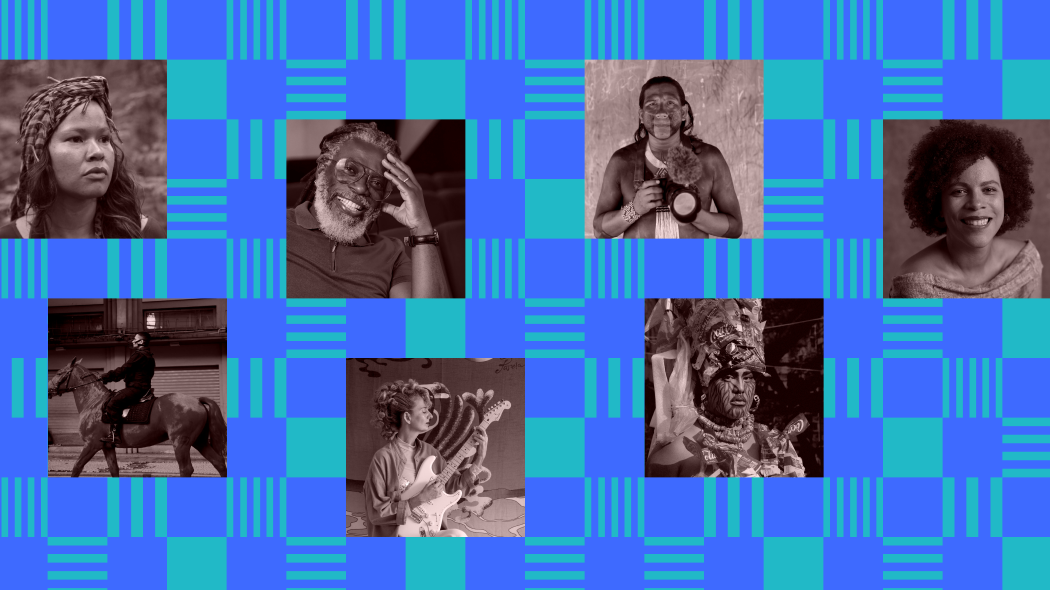
Table 1 – CRIA – Olinda Tupinambá and Kamikia Kisedje (Moderation: Raquel Garbelotti)
🗓️ September 23rd, from 2 PM to 4 PM
📍 University Theater of Ufes – Vitória, ES
About the participants
Olinda Tupinambá
A multi-artist with a degree in social communication, working as a cultural producer, performer, and audiovisual filmmaker. Her research stands out for its use of the body as a political body, capable of transmuting itself to reveal other possible worlds, give visibility to environmental issues, and challenge the relationship between humanity and nature, a recurring theme in her works.
Kamikia Kisedje
A graduate of Vídeo nas Aldeias, he is a filmmaker and photographer. His work supports the struggles of indigenous peoples and strengthens identities and territories. He follows the indigenous movement, political demonstrations, and issues related to climate change, becoming a reference for filmmakers in training and a leader for his people. He has traveled to various regions of the world and today is part of the communication team of the Articulation of Indigenous Peoples of Brazil (APIB), as a photographer and filmmaker.
Raquel Garbelotti
Raquel Garbelotti: Visual artist, researcher, and professor in the Department of Visual Arts at UFES (DAV/UFES). She holds a PhD in Visual Arts from the School of Communications and Arts at USP (ECA/USP) and a PhD from the Department of Cinema, Radio and Television at USP (CTR/USP). She coordinates the ESFERA Research and Extension project (UFES/Proex/CNPq), is a member of the PLACE Research Group (DAV/UFES/CNPq), and participates in the project “Feminine Bridges between Art and Architecture” (UFF/RAE/CNPq). She is a faculty member and member of the board of Prolind – Indigenous Intercultural Education (CCHN/UFES). Her artistic and research production articulates site-specific art, exhibition cinema, sculpture, and installation, with an emphasis on ecology, landscape, community sphere, and field practices developed with communities.
Table 2 – GIRA – Ynaê Lopes and Renato Noguera (Moderation: Isabella Baltazar)
🗓️ September 23rd, from 5 PM to 7 PM
📍 University Theater of Ufes – Vitória, ES
About the participants
Ynaê Lopes dos Santos
Professor of American History (UFF), she holds a bachelor’s, master’s, and doctoral degree from the University of São Paulo (USP). Her research addresses slavery in the Americas, ethnic-racial relations, the teaching of African History, and the Black question in Brazil, with published books in these areas. A columnist for DW Brazil, she works as a consultant for the Querino Project and curator of exhibitions, including the permanent exhibition at Cais do Valongo and Little Africas: The River that Samba Created (IMS).
Renato Noguera
Holds a PhD in Philosophy (UFRJ) and is a professor in the Department of Education and Society (UFRRJ), also working in the Postgraduate Programs in Philosophy and in Education, Contemporary Contexts and Popular Demands. A researcher at the Laboratory of Afro-Brazilian and Indigenous Studies (Leafro), he coordinates the Afroperspectives, Knowledge and Childhoods (Afrosin) group. An author, his books include Teaching Philosophy and Law 10.639, Why We Love, and What is Grief.
Isabella Baltazar
Curator, cultural producer, and PhD professor in Literature. Her research focuses on Literary Journalism, and she currently studies post-colonial theory in literary criticism, with an emphasis on subaltern and gender studies. She is the creator of Letra Preta – Escrita e Imaginações (Black Letter – Writing and Imaginations), an organization focused on diversity and inclusion, which works to reduce inequalities through education, art, and communication.
Table 3 – LEVANTE – Sarita Themonia and Berna Reale (Moderation: Gabriela Sobral)
🗓️ September 24th, from 5 PM to 7 PM
📍 University Theater of Ufes – Vitória, ES
About the participants
Sarita Themonia
Performance by trans artist Gabriela Luz, originally from Belém do Pará, professor and researcher. She holds a Master’s degree in Art, Education and Cultural Mediation (UNESP) and works as a visual artist in the material and immaterial reuse of the world. She is a founding member of the Cultural Association of THEMÔNIAS of the Amazon – ASCULTA, co-organizer of the THEMÔNIAS movement, collaborator of Negritar Filmes e Produções, and educator in Art Direction at the Instituto Criar de TV, Cinema e Novas Mídias.
Berna Reale
Born in Belém (1965), where she lives and works, Berna Reale is one of the leading names in performance art in Brazil. She began her career in the late 1990s and stood out with Cerne (25th Pará Art Salon, 2006), which led her to study criminology and work as a forensic expert. Her work addresses the violence engendered by power, exploring the body as an aesthetic element and collective symbol. Between fascination and repulsion, her production provokes tension and irony in the face of violence.
Gabriela Sobral
Amazonian cultural manager, writer, and journalist. She holds a Master’s degree in Cultural Heritage Preservation and coordinates the Casa da Cultura de Canaã dos Carajás, linked to the Instituto Cultural Vale. She researches cultural policies and heritage education. She has published the books Caranguejo (2017) and Modos de Construção Sobre Tapumes (2025). She received an award from the Pará Cultural Foundation and the Itaú Cultural Institute – Art as Breath – Literature (2020).

Fale conosco
Redes sociais